





Cameroon opposition leader escorted to safety amid election tensions
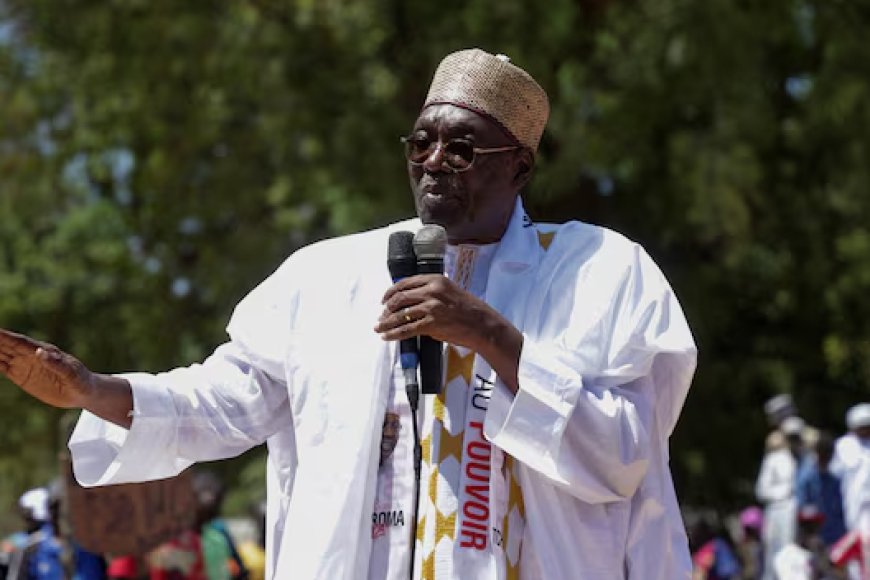
The leader of the opposition in Cameroon, Issa Tchiroma Bakary, announced on Friday that he had been escorted to a secure location by soldiers loyal to him for his protection—an action that could indicate divisions within the military following the elections.
Tchiroma had been hiding in his home in the northern city of Garoua since the presidential election on October 12, 2025, in which he claimed victory.
Although he did not specify the number of soldiers supporting him, his claim that some members of the army are on his side could suggest a split within the country’s security forces.
ALSO READ: Congolese army Captain shot dead by own bodyguard in North Kivu
Through Facebook, Tchiroma said: "I thank the loyal soldiers who have shown patriotism by escorting me to a safe location and who are currently supporting me and ensuring my protection."
A spokesperson for the country’s Ministry of Defence declined to comment to Reuters on the matter.
ALSO READ: UK foreign secretary calls for immediate ceasefire in Sudan
Cameroon’s Constitutional Council on Monday declared President Paul Biya, aged 92 and the world’s oldest head of state, as the winner of the election, which sparked violent protests in several cities of the country, a major producer of oil and cocoa.
The disputed election has heightened tensions in the country, with security forces accused of killing at least 23 people and detaining over 500, according to a civil society group.
ALSO READ: Tanzania erupts in post-election protests
In a separate Facebook message on Friday, Tchiroma called on citizens to implement a three-day lockdown starting Monday, urging them to suspend all activities and stay at home to show their rejection of the election results.
He said: "Let the whole country come to a standstill so that the world knows we are fighting and will not give in. Let us close our shops, suspend our work, stay home in silence, demonstrate our unity, and remind this regime that the strength of the economy comes from its people."
Tags: