







Tanzania erupts in post-election protests
Protests continued to grow in major cities across Tanzania on Friday, October 31, 2025, as supporters of opposition parties claimed that Wednesday’s presidential and parliamentary elections were rigged.
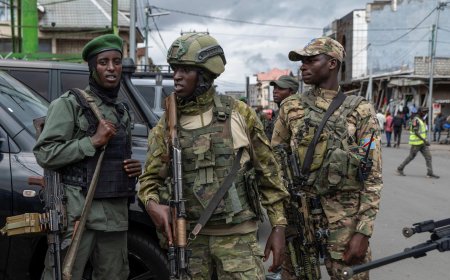
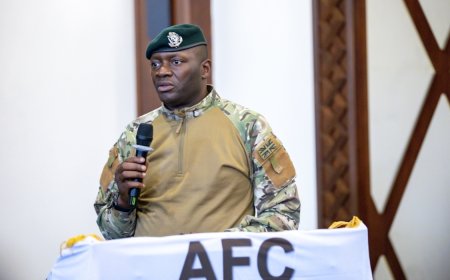
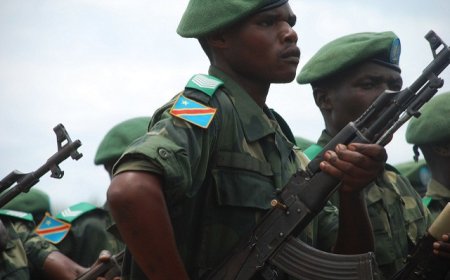
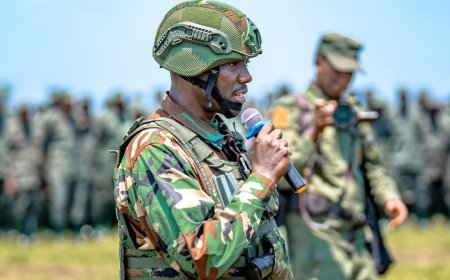
On Friday morning, October 31, 2025, in a speech broadcast on national television, General Jacob John Mkunda, the Tanzanian Chief of Defence Forces, said that the rule of law must be respected and that those behind the unrest in the country must be held accountable.
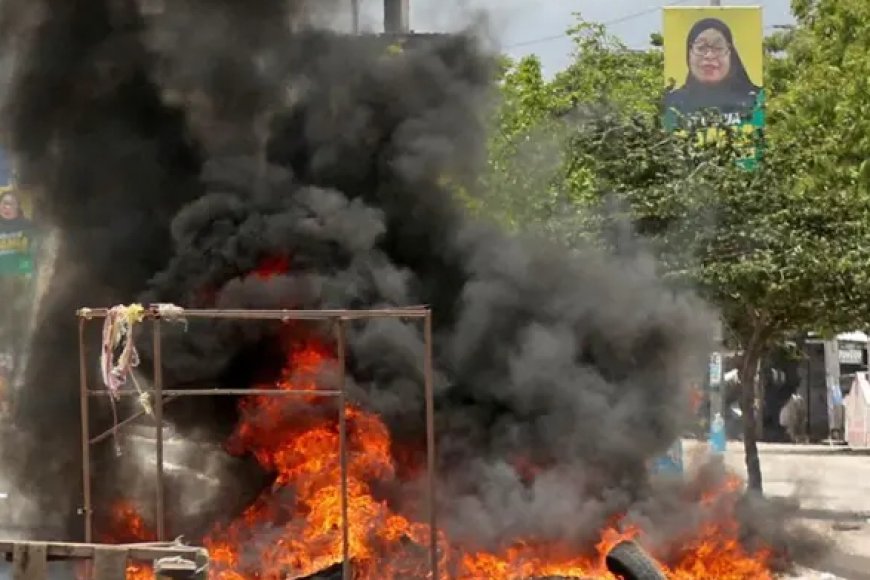
Hundreds of protesters crossed the border into Kenya, blocked roads, set fires, and destroyed posters of President Samia Suluhu Hassan in the streets.
ALSO READ: M23 rebels recapture strategic Ndete area
Demonstrators accused the government of denying citizens their freedoms, citing the arrest of a top opposition leader and the disqualification of another from the campaign process incidents that greatly increased President Samia’s chances of winning re-election.
Tensions escalated further after the Electoral Commission began announcing results, with Samia reportedly securing nearly 95% of the votes in the southern Mbeya Province, bordering the west. Members of the European Union Parliament declared that the elections were marred by irregularities.
ALSO READ: Rwanda opposes France’s call to reopen Goma Airport
Later, General Jacob Mkunda accused what he called “those seeking to endanger the country” of destroying property and disrupting citizens during the election period.
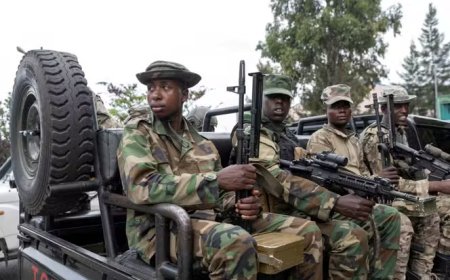
Gunfire was reported in the northern city of Mwanza, while clashes were also reported in Dodoma and the capital, Dar es Salaam, where heavy security has been deployed and major roads closed.
ALSO READ: AFC/M23 rejects French resolution calling for reopening of Goma airport
Samia came to power in 2021, becoming Tanzania’s first female president following the sudden death of her predecessor, John Magufuli, who had been leading major reforms in the country.
President Samia was once widely praised for her leadership, but her government has increasingly been accused of failing to protect critics and of silencing dissent.