










U.S. imposes sanctions on Colombian president  and top officials

U.S. imposes sanctions on Colombian president and top officials

Oct 25, 2025 - 16:00
 0

The United States of America on Friday, October 24, 2025, imposed sanctions on top government officials in Colombia, according to a statement from the U.S. Office of Foreign Assets Control (OFAC).


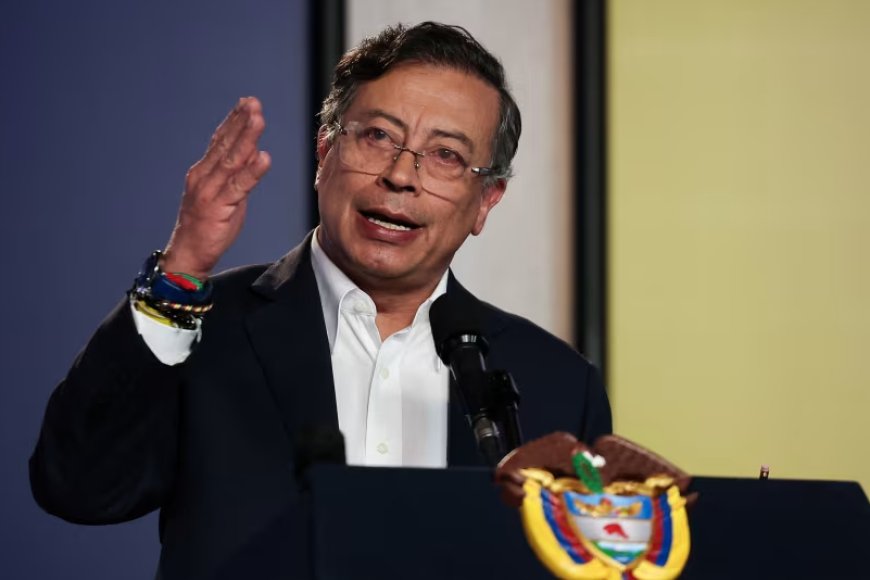
Those sanctioned include Colombian President Gustavo Petro, his wife, his son Nicolás Petro, and Interior Minister Armando Benedetti. The U.S. government said all these officials failed to curb the growing production and trafficking of cocaine.

U.S. Treasury Secretary Scott Bessent stated that since President Petro took office, the power of drug traffickers has risen to levels not seen in the past 30 years.

ALSO READ: Tinubu fires Nigeria’s Defence Chief after coup attempt

President Petro denied the accusations on X, calling them “lies” and emphasizing that he will not change his policy of “pursuing comprehensive peace.” 

The sanctions involve freezing their assets in the United States and prohibiting American companies or citizens from conducting business with them. Foreign companies that use the U.S. dollar will also be barred from engaging with them.

The president’s son, Nicolás Petro, was accused of being his father’s “political proxy,” as he was recently arrested in Colombia on charges of corruption and embezzlement. Meanwhile, First Lady Verónica Alcocer and Interior Minister Armando Benedetti were mentioned as having unclear involvement.

ALSO READ: Rwanda–Burundi relations continue to deteriorate

These sanctions follow days of growing tensions between Washington and Bogotá, which began when Colombia refused to accept U.S. planes carrying deported Colombian nationals. The rift widened after the U.S. announced it had carried out strikes in the Caribbean Sea on boats suspected of transporting drugs.

Currently, the U.S. is facing disputes with several neighboring countries  including Venezuela, Mexico, and Colombia — over transnational drug trafficking operations that continue to funnel narcotics into the U.S., with local governments allegedly failing to take serious action, and some political figures and senior officials reportedly involved in the trade.

Twagirumukiza Janvier Twagirumukiza Janvier is a journalist with strong skills in online journalism and radio presentation

U.S. imposes sanctions on Colombian president and top officials

Oct 25, 2025 - 16:00
 0
U.S. imposes sanctions on Colombian president  and top officials

The United States of America on Friday, October 24, 2025, imposed sanctions on top government officials in Colombia, according to a statement from the U.S. Office of Foreign Assets Control (OFAC).


Those sanctioned include Colombian President Gustavo Petro, his wife, his son Nicolás Petro, and Interior Minister Armando Benedetti. The U.S. government said all these officials failed to curb the growing production and trafficking of cocaine.

U.S. Treasury Secretary Scott Bessent stated that since President Petro took office, the power of drug traffickers has risen to levels not seen in the past 30 years.

ALSO READ: Tinubu fires Nigeria’s Defence Chief after coup attempt

President Petro denied the accusations on X, calling them “lies” and emphasizing that he will not change his policy of “pursuing comprehensive peace.” 

The sanctions involve freezing their assets in the United States and prohibiting American companies or citizens from conducting business with them. Foreign companies that use the U.S. dollar will also be barred from engaging with them.

The president’s son, Nicolás Petro, was accused of being his father’s “political proxy,” as he was recently arrested in Colombia on charges of corruption and embezzlement. Meanwhile, First Lady Verónica Alcocer and Interior Minister Armando Benedetti were mentioned as having unclear involvement.

ALSO READ: Rwanda–Burundi relations continue to deteriorate

These sanctions follow days of growing tensions between Washington and Bogotá, which began when Colombia refused to accept U.S. planes carrying deported Colombian nationals. The rift widened after the U.S. announced it had carried out strikes in the Caribbean Sea on boats suspected of transporting drugs.

Currently, the U.S. is facing disputes with several neighboring countries  including Venezuela, Mexico, and Colombia — over transnational drug trafficking operations that continue to funnel narcotics into the U.S., with local governments allegedly failing to take serious action, and some political figures and senior officials reportedly involved in the trade.