



















When trend becomes catalyst
Identity of the individual who provided testimony for this story has been changed for confidentiality. This story contains content intended for mature audiences.
In Rwandan culture, sexual intercourse is considered a deeply private act between two people, and Rwandans have traditionally referred to it as a matter of marital secrecy.
This is not unique to Rwanda; in many cultures around the world, sex is treated as a private and intimate activity.
“We met at a party at the end of 2024. My partner was there with a friend. When we were about to have sex, my partner suggested we try a threesome. Among all of them, I had no idea who might be carrying the HIV virus,” recalls Tusenge Eric, describing his long experience engaging in group sex.
Group sex is still uncommon in Rwanda, but it raises concerns about HIV prevention, especially since currently 35% of people living with HIV in Rwanda are under the age of 24.
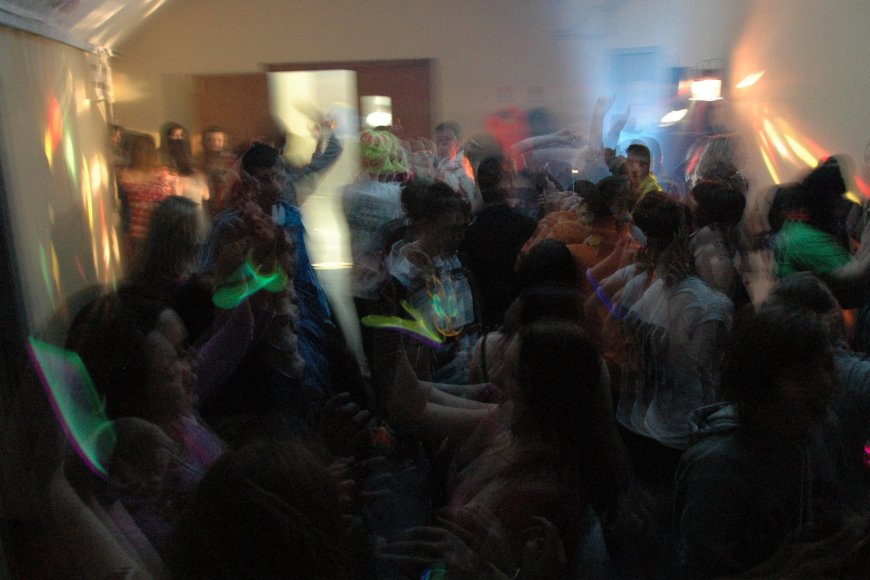
This practice has become popular among youth gradually, often taking place at parties where alcohol and other substances are consumed heavily, making condom use inconsistent or unlikely.
“I have done this type of sex for a long time. It carries risks because you can be in a group of 10 people imagine if one of them is infected. I was lucky not to contract HIV, but some of my friends were not as fortunate,” he adds.
-
Threesome or three-way: Sexual relations involving exactly three peoples
-
Foursome or four-way: Sexual involving exactly four peoples
In a small survey we conducted, 14 out of 16 respondents (87.5%) reported having watched pornography, while only 2 out of 16 (12.5%) said they had not.

Since the COVID-19 pandemic, pornography consumption in Rwanda has increased significantly. Starting in 2020, pornographic sites consistently appeared among the 15 most visited websites in the country.
For example, in December 2020, a pornography site ranked 12th in terms of traffic, surpassing even the number of visitors to government services on Irembo and several major news websites.
According to data from the Rwanda Biomedical Centre (RBC) covering July 2023 to June 2024, HIV prevalence among girls aged 15–19 stands at 6.5%, compared to 1.6% among boys. Among youth aged 20–24, prevalence is 5.2% for females and 4.5% for males. In the 25–29 age groups, 3.5% of females and 3.0% of males are living with the virus.

“Girls and women are more vulnerable to HIV than men, mainly due to biological factors. Their anatomy such as the vaginal and cervical lining makes it easier for the virus to enter the body, while semen can linger longer, increasing exposure. Men, on the other hand, transmit the virus more efficiently to female partners, especially if uncircumcised. Social factors also play a role: women may face challenges like gender-based violence or limited control over condom use, while men may engage in higher-risk behaviors. Overall, women are at greater risk of infection, while men are more likely to pass it on. But anal intercourse carries a significant risk of HIV transmission for both men and women” [CDC, WHO].
The 2023 statistics from the National Institute of Statistics of Rwanda (NISR) further reveal that more than 9,000 youth aged 15 to 24 were newly diagnosed with HIV, accounting for 35% of all new infections that year.
It has been 40 years since the Human Immunodeficiency Virus (HIV/AIDS) was discovered by a team of French researchers Françoise Barré-Sinoussi, Jean-Claude Chermann, and Luc Montagnier at the Institut Pasteur. Following the discovery of the virus, they launched efforts to combat it. Since then, HIV/AIDS has claimed the lives of over 40 million people worldwide. The virus was first announced on May 20, 1983.
Since then, numerous studies have been conducted on the virus, which is known to weaken the immune system. HIV gradually destroys the body’s defenses, making the infected person vulnerable to illnesses, and if left untreated, this leads to AIDS.
AIDS was first reported in Rwanda in 1983 and began spreading rapidly from 1986, with a sharp increase in infections between 1988 and 1996.
According to data from the Ministry of Health (MINISANTE), about 3,200 people in Rwanda contract HIV each year, while around 2,600 die from it, although deaths have decreased by 86%.
World Health Organization (WHO) statistics from 2022 show that since 1981, over 40.4 million people worldwide have died from AIDS, including more than 37.5 million young people.
By the end of 2023, the United Nations AIDS agency (UNAIDS) reported that approximately 39.9 million people globally were living with HIV.
Dr. Ikuzo Basile, a staff member of Rwanda Biomedical Center (RBC) in the HIV/AIDS prevention unit, acknowledges that many factors put young people at risk of HIV infection.
He emphasizes that the center focuses its efforts on establishing multiple interventions and programs to fight HIV/AIDS.
However, he notes that young people’s low participation in prevention services contributes to rising infection rates among this group. Basile is optimistic, stating that “with the use of media and social media, there is hope that these efforts will yield results.”