


















More Rwandan Artists Turn to Gospel Music: A New Wave of Spiritual Awakening in the Industry

 More Rwandan Artists Turn to Gospel Music: A New Wave of Spiritual Awakening in the Industry

Oct 19, 2025 - 11:26
 0

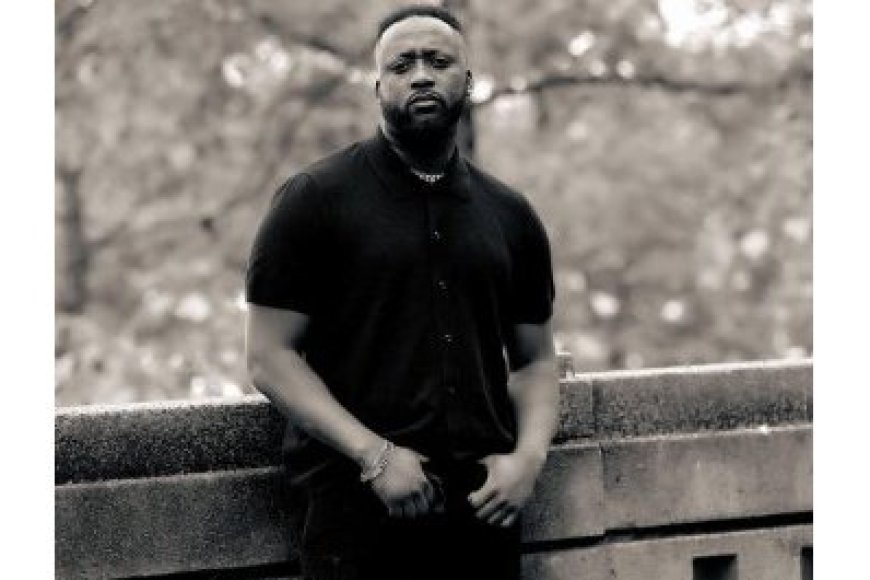
A growing number of Rwandan artists are shifting from secular themes to gospel or spiritually inspired music, signaling a remarkable transformation in the country’s entertainment landscape. This new trend, marked by artists like Safi Madiba, reflects a deeper search for purpose, moral responsibility, and the power of music to inspire rather than merely entertain.


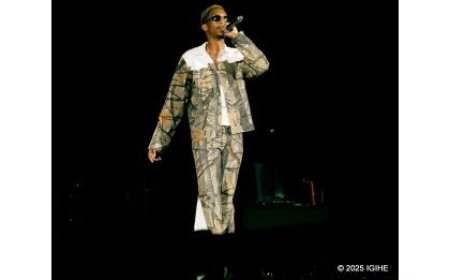
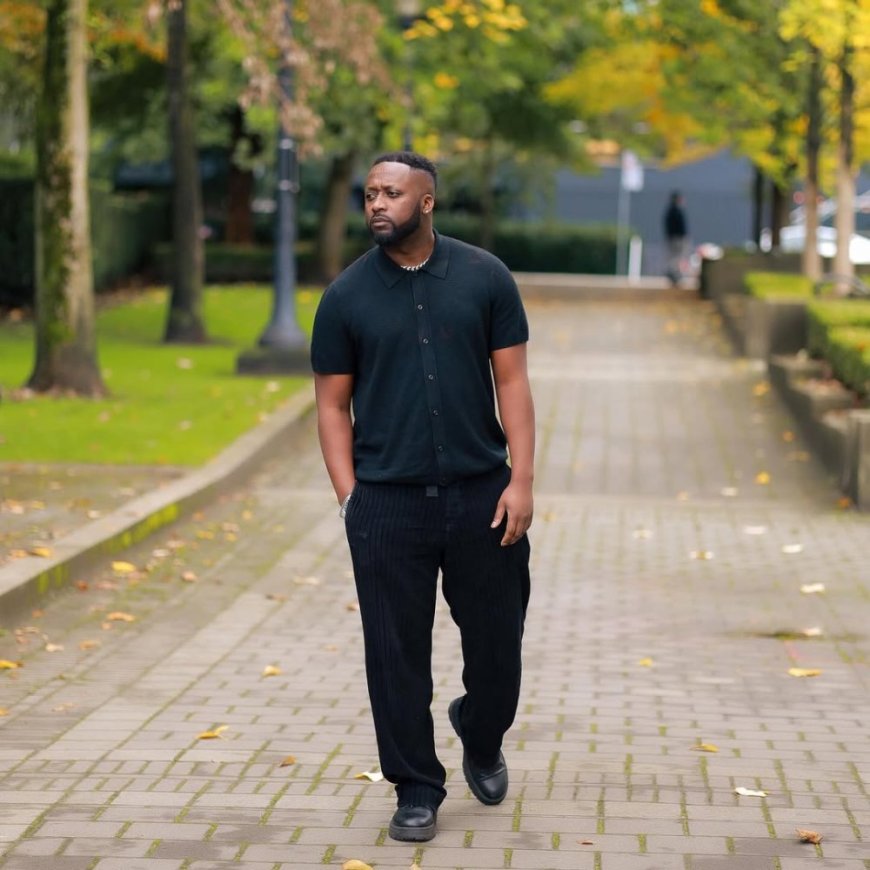
Safi Madiba, who is preparing to release his second studio album titled “222”, recently announced that he has decided to leave behind songs that glorify drinking, promiscuity, or immoral behavior. Although he clarified that he has not officially become a gospel artist, he emphasized that his music will now carry more positive and spiritual messages.
“I don’t think I’ll ever sing songs that promote alcohol or drunkenness again,” Safi said . “Songs like Ntimunywa I can’t do that anymore. That’s not the direction I want to take.”

The former Urban Boyz member explained that this decision came after deep reflection on his musical journey and the impact of his lyrics on listeners. He admitted that the songs in which he sang about worldly pleasures were never the ones that made him most popular. “If you really look back, the songs that made me known weren’t those with bad moral messages. People loved the romantic or inspirational ones. So, I realized that positivity connects more with my audience,” he added.

While Safi stops short of labeling himself a gospel artist, his change in direction mirrors a broader trend among Rwandan musicians. In recent years, several popular singers once known for secular hits have embraced gospel or morally conscious music. This includes artists seeking a renewed spiritual identity, others pursuing more meaningful art, and some responding to the growing demand for clean, inspirational content.

A Message Beyond Music

The shift suggests that Rwandan artists are increasingly aware of their influence on society. Through their music, they shape cultural values, especially among youth. Safi’s choice, therefore, sends a powerful message: fame and responsibility can coexist, and success does not have to rely on controversial or immoral themes.
As more artists follow this path, the Rwandan music industry may be entering a new era—one defined not only by rhythm and talent but also by faith, purpose, and social conscience.

In the words of Safi Madiba, “Music should uplift people. If my songs can make someone reflect on life or find hope, then I’ve done my job.”
Other Rwandan Artists Who Transitioned from Secular to Gospel
The movement toward gospel music is not limited to Safi Madiba. Over the past few years, several well-known Rwandan musicians have made a similar shift, each for personal and spiritual reasons.


Meddy (Ngabo Medard Jobert)
 Once among Rwanda’s top R&B artists, Meddy turned to gospel after moving to the United States. He explained that his spiritual journey and growing faith inspired him to dedicate his music to God. His songs like Holy Spirit and My Vow reflect a message of purity, prayer, and gratitude.


Umutare Gaby
 Known for soulful love songs, Umutare Gaby stepped away from the secular scene, saying that he wanted to focus on serving God and living a more disciplined life. He shared that fame without faith felt “empty,” and that gospel music gives him peace and purpose.


Sintex
 A talented Afrobeat and R&B artist, Sintex publicly declared his decision to quit secular music, explaining that he felt called to use his gift for God’s glory. He said the change followed a period of reflection and personal transformation.


Niyo Bosco
 A gifted singer and songwriter, Niyo Bosco also began incorporating gospel themes into his songs, emphasizing messages of hope, gratitude, and resilience. He has often said that his life story and struggles taught him to rely on faith, which naturally influenced his music.
Together, these artists represent a growing spiritual awakening within Rwanda’s music industry. Their decisions show that beyond fame and fortune, many musicians are seeking inner peace, authenticity, and a higher purpose a sign that the country’s creative scene is maturing both artistically and morally.

Justinmind HARERIMANA ???? Entertainment Journalist based in Rwanda, passionate about music, film, and celebrity stories. Storyteller bringing you the latest updates from Rwanda’s vibrant entertainment industry. Covering culture, music, and showbiz with a Rwandan and global perspective. Entertainment reporter dedicated to highlighting artists, trends, and untold stories.Sharing exclusive insights from the world of music, movies, and lifestyle.

 More Rwandan Artists Turn to Gospel Music: A New Wave of Spiritual Awakening in the Industry

Oct 19, 2025 - 11:26
 0
 More Rwandan Artists Turn to Gospel Music: A New Wave of Spiritual Awakening in the Industry

A growing number of Rwandan artists are shifting from secular themes to gospel or spiritually inspired music, signaling a remarkable transformation in the country’s entertainment landscape. This new trend, marked by artists like Safi Madiba, reflects a deeper search for purpose, moral responsibility, and the power of music to inspire rather than merely entertain.


Safi Madiba, who is preparing to release his second studio album titled “222”, recently announced that he has decided to leave behind songs that glorify drinking, promiscuity, or immoral behavior. Although he clarified that he has not officially become a gospel artist, he emphasized that his music will now carry more positive and spiritual messages.
“I don’t think I’ll ever sing songs that promote alcohol or drunkenness again,” Safi said . “Songs like Ntimunywa I can’t do that anymore. That’s not the direction I want to take.”

The former Urban Boyz member explained that this decision came after deep reflection on his musical journey and the impact of his lyrics on listeners. He admitted that the songs in which he sang about worldly pleasures were never the ones that made him most popular. “If you really look back, the songs that made me known weren’t those with bad moral messages. People loved the romantic or inspirational ones. So, I realized that positivity connects more with my audience,” he added.

While Safi stops short of labeling himself a gospel artist, his change in direction mirrors a broader trend among Rwandan musicians. In recent years, several popular singers once known for secular hits have embraced gospel or morally conscious music. This includes artists seeking a renewed spiritual identity, others pursuing more meaningful art, and some responding to the growing demand for clean, inspirational content.


A Message Beyond Music

The shift suggests that Rwandan artists are increasingly aware of their influence on society. Through their music, they shape cultural values, especially among youth. Safi’s choice, therefore, sends a powerful message: fame and responsibility can coexist, and success does not have to rely on controversial or immoral themes.
As more artists follow this path, the Rwandan music industry may be entering a new era—one defined not only by rhythm and talent but also by faith, purpose, and social conscience.

In the words of Safi Madiba, “Music should uplift people. If my songs can make someone reflect on life or find hope, then I’ve done my job.”
Other Rwandan Artists Who Transitioned from Secular to Gospel
The movement toward gospel music is not limited to Safi Madiba. Over the past few years, several well-known Rwandan musicians have made a similar shift, each for personal and spiritual reasons.


Meddy (Ngabo Medard Jobert)
 Once among Rwanda’s top R&B artists, Meddy turned to gospel after moving to the United States. He explained that his spiritual journey and growing faith inspired him to dedicate his music to God. His songs like Holy Spirit and My Vow reflect a message of purity, prayer, and gratitude.


Umutare Gaby
 Known for soulful love songs, Umutare Gaby stepped away from the secular scene, saying that he wanted to focus on serving God and living a more disciplined life. He shared that fame without faith felt “empty,” and that gospel music gives him peace and purpose.


Sintex
 A talented Afrobeat and R&B artist, Sintex publicly declared his decision to quit secular music, explaining that he felt called to use his gift for God’s glory. He said the change followed a period of reflection and personal transformation.


Niyo Bosco
 A gifted singer and songwriter, Niyo Bosco also began incorporating gospel themes into his songs, emphasizing messages of hope, gratitude, and resilience. He has often said that his life story and struggles taught him to rely on faith, which naturally influenced his music.
Together, these artists represent a growing spiritual awakening within Rwanda’s music industry. Their decisions show that beyond fame and fortune, many musicians are seeking inner peace, authenticity, and a higher purpose a sign that the country’s creative scene is maturing both artistically and morally.