












Protests in Madagascar Call for President Rajoelina to Resign
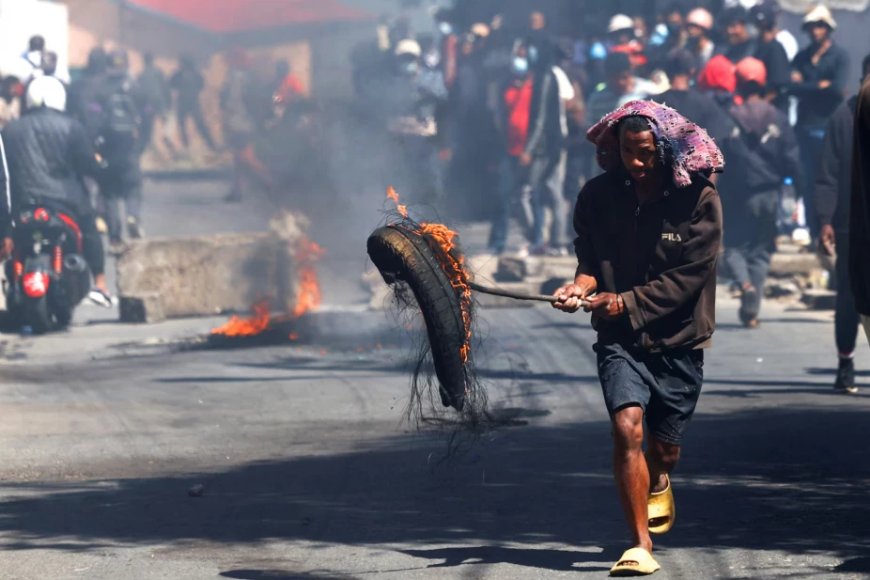
Protesters returned to the streets of various cities across Madagascar on Monday, October 6, 2025, marking the third week of anti-government demonstrations, now demanding the resignation of President Andry Rajoelina.
Police in the capital, Antananarivo, used tear gas to disperse the protesters, according to a Reuters journalist. Most of those demonstrating were university students, who initially began protesting last month over water and electricity shortages but have since expanded their demands to address broader grievances with the government.
Inspired by the recent “Gen Z” protests in Kenya and Nepal, the demonstrations are the largest the Indian Ocean island nation has seen in years, providing a platform for citizens to voice frustration over poor living conditions and widespread corruption in government.
Local television channels broadcast footage of police clashing with protesters in the southern city of Toliara and the northern city of Diego Suarez.
ALSO READ: Malawi’s new president’s speech lifts citizens’ spirits
Despite its rich natural resources including minerals, unique wildlife, and fertile farmland—Madagascar remains one of the poorest countries in the world, with per capita income having dropped by 45% between independence in 1960 and 2020.
President Rajoelina dismissed his cabinet last week, but many protesters continue to call for the 51-year-old leader’s own resignation.
The United Nations reported that at least 22 people have been killed and over 100 injured in the early days of the unrest, though the government has denied those figures.
ALSO READ: Tundu Lissu’s dreams of becoming Tanzania’s president set to be dashed
In a speech delivered on Friday, Rajoelina said he was willing to listen to the protesters’ concerns but made no mention of stepping down.
A spokesperson from his office told Reuters over the weekend that the demonstrations are being exploited by politicians seeking to destabilize the country.
In a statement released on Monday, the presidency said some civil society organizations met with Rajoelina on Saturday, but provided no further details.
Other groups said they refused to attend the meeting, arguing that authorities had failed to guarantee that peaceful protests would be allowed to continue and that those detained during the demonstrations would be released.