


















Jude Bellingham, Tuchel and the ‘media agenda’: Why the debate needs more honesty and less noise
For the second week running, English football has found itself circling the same argument: is the media treating Jude Bellingham unfairly, and who is truly responsible for the narrative surrounding him?
This time the spark came from Ashley Cole, who on a recent appearance spoke openly about feeling “framed” during his career. Cole’s playing days were filled with extraordinary highs and very public controversies, and while he accepted some blame for the noise around him, he insisted there was a long-running media determination to paint him negatively. It’s a familiar complaint from high-profile ex-players who feel misunderstood long after retiring.
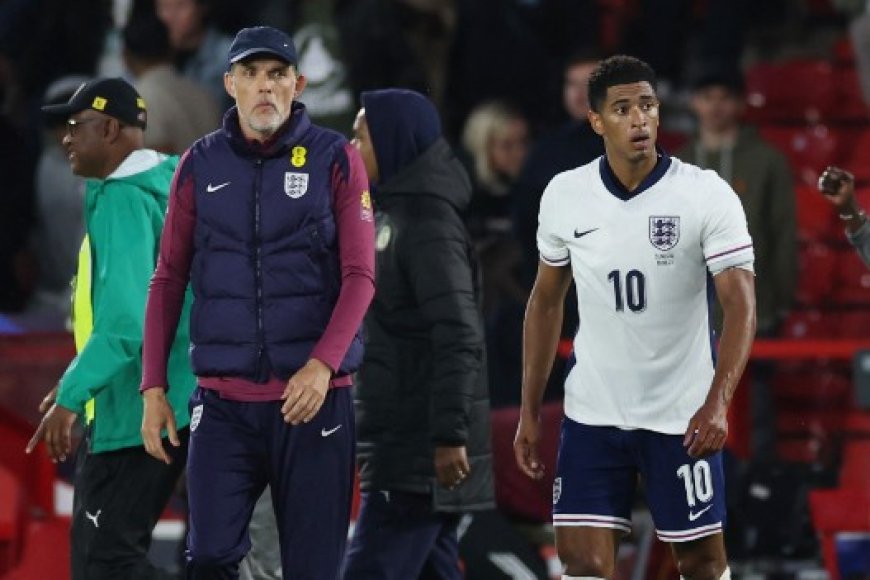
But the current debate isn’t really about Cole. It is about Bellingham, and how loudly critics and pundits have condemned his treatment particularly after Thomas Tuchel, of all people, used a loaded term in a radio interview last June to describe behavior he reportedly found “repulsive.” The England manager’s wording stunned many inside the game, not least because it targeted a player who has since been exceptional for Real Madrid and arguably England’s most important young figure.
What happened next was predictable. Accusations of bias. Arguments about race. Claims of double standards compared with how other young English players are covered. And then, inevitably, the blanket condemnation of “the media,” as if every newsroom operates with a single voice, motive or agenda.
The truth is considerably more complicated. Many journalists, including some of the industry’s most established names, immediately pushed back on the criticism of Bellingham and questioned Tuchel’s choice of words. Others highlighted the lack of consistency in how certain players particularly young Black footballers are portrayed when they make mistakes or show emotion. The coverage is not uniform, nor is the scrutiny applied evenly.
Yet it is equally misguided to suggest that the entire media ecosystem is conspiring against Bellingham. Editors make conscious decisions about tone, placement and sensitivity. Some newspapers even deliberately avoided sensationalizing a frustrated reaction Bellingham showed when substituted earlier this year, precisely because they anticipated how it could be interpreted.
That is why sweeping claims about “the media” only cloud the real conversation. There are genuine concerns young Black players have raised about representation and fairness. Those concerns must be heard without defensiveness or dismissal. At the same time, there is a difference between holding the industry accountable and turning it into an amorphous villain every time a controversy erupts.
What this debate really needs is honesty. Honesty about the mistakes made in newsrooms. Honesty about the motivations of managers and pundits who fan the flames. Honesty about the uncomfortable patterns still visible in coverage across the sport.
And above all, honesty about the fact that Jude Bellingham’s brilliance week after week, in the biggest games deserves to be the story far more often than any sideshow built around him.
Tags: