





















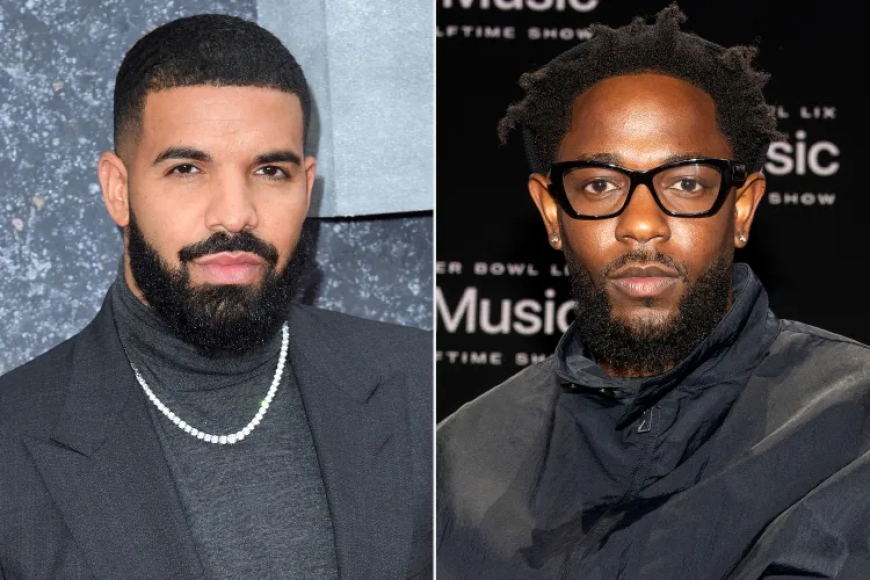
Drake Loses Defamation Lawsuit Against UMG Over Kendrick Lamar’s “Not Like Us”
A U.S. federal court has dismissed rapper Drake’s defamation lawsuit against Universal Music Group (UMG), which he accused of damaging his reputation through Kendrick Lamar’s viral diss track “Not Like Us.”
On Thursday, October 9, 2025, New York judge Jeannette Vargas ruled that the lyrics in Lamar’s song could not be interpreted as factual statements, but rather as part of the “customary verbal sparring” typical in rap battles.
In 2024, Lamar released “Not Like Us” during an intense lyrical feud with Drake. In the song, Lamar referred to Drake as a “certified pedophile” who should be “placed on neighborhood watch.” The controversial lyrics led Drake to file a lawsuit, accusing UMG of authorizing and promoting a song that, in his view, defamed him publicly.
However, Judge Vargas concluded that a “reasonable listener” would not believe the statements in a diss track to be true. “Although these accusations are serious,” Vargas wrote, “in the context of a rap battle filled with provocative language and insults, no reasonable listener would believe that Not Like Us conveys verifiable facts about Drake.”
UMG praised the court’s decision, calling the lawsuit “an affront to artistic freedom” that “should never have reached the courtroom.”
Despite losing the case, Drake’s legal team announced plans to appeal the ruling, asking a higher court to reconsider the matter.
Lamar’s “Not Like Us” became a cultural sensation, especially after he performed it during the Super Bowl Halftime Show in 2025, watched by more than 127 million viewers worldwide the most-watched Super Bowl performance in history. Although some of the more controversial lyrics were omitted from the broadcast, Lamar’s playful delivery hinted at his confidence in the feud’s outcome.
Judge Vargas also noted that Drake himself has used similar aggressive language in his own diss track “Family Matters,” where he implied that Lamar was a domestic abuser and even questioned the paternity of one of Lamar’s children.
The ruling emphasized that exaggeration, anger, and insult are fundamental elements of rap battles and cannot be treated as factual assertions in a legal context. “Audiences understand that diss tracks are about bravado and artistic rivalry, not factual reporting,” Vargas added.
Although the lawsuit has been dismissed, the Drake vs. Kendrick Lamar feud remains one of the most intense and defining moments in modern rap history a reminder of how far hip-hop’s lyrical competition can go in blurring the line between art, ego, and truth.
Tags: