











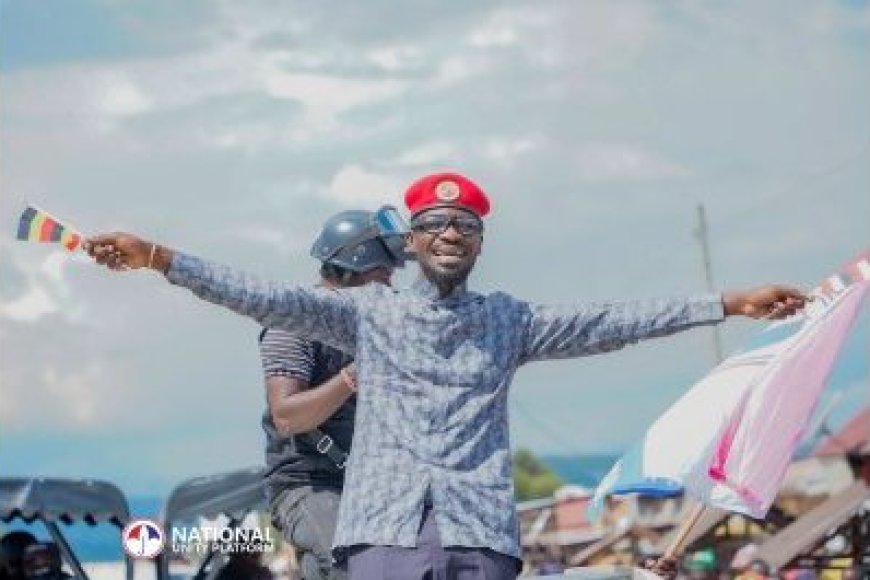
Bobi Wine Surprises Fans by Singing Israel Mbonyi’s Gospel Song
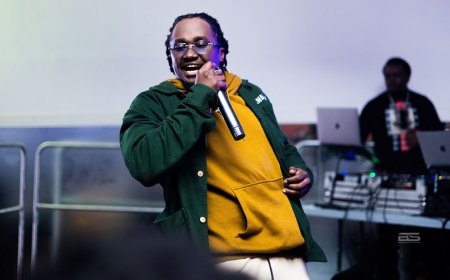
Ugandan opposition leader and presidential hopeful Bobi Wine has surprised many of his followers after sharing a video of himself singing “Nzi ibyo nibwira,” a popular gospel song by Rwandan artist Israel Mbonyi, as he expressed gratitude to residents of Kisoro District in western Uganda.
Bobi Wine, whose real name is Robert Kyagulanyi Ssentamu, recently took to TikTok to post a clip of himself performing Mbonyi’s soulful track. In the caption accompanying the video, he wrote: “Although I have left Kisoro, part of my heart remains there. Thank you for the love.”
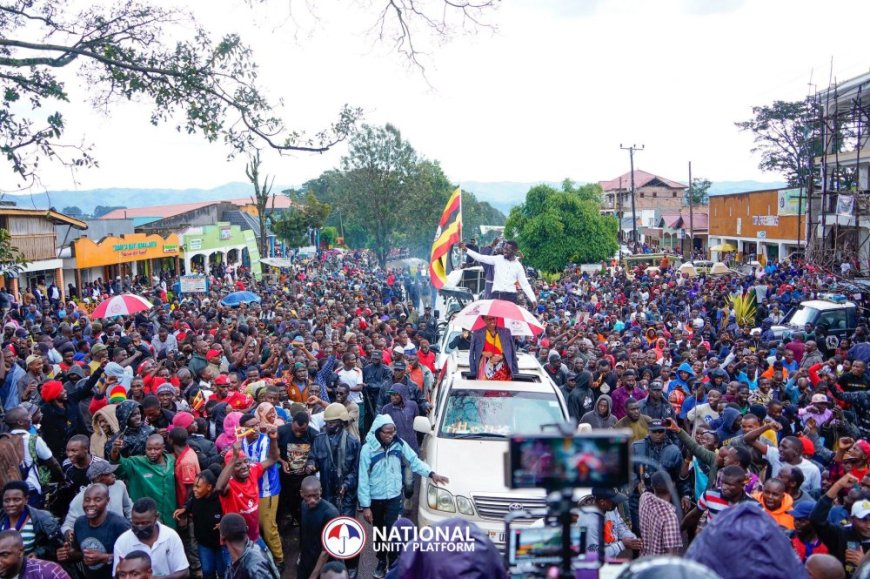
The message was a heartfelt expression of appreciation to the people of Kisoro, where Bobi Wine had just concluded a campaign rally as part of his ongoing presidential bid.
Campaign Trail in Western Uganda
The musician-turned-politician has been campaigning across Uganda as he challenges long-serving President Yoweri Museveni in the upcoming national elections.
Despite facing obstacles from authorities, Bobi Wine has continued to draw massive crowds, particularly in Uganda’s western regions areas traditionally considered strongholds of the ruling party.
At 43 years old, Bobi Wine leads the National Unity Platform (NUP) and is making his second attempt to become president after his first run fell short.
Mbonyi’s Song Strikes a Chord
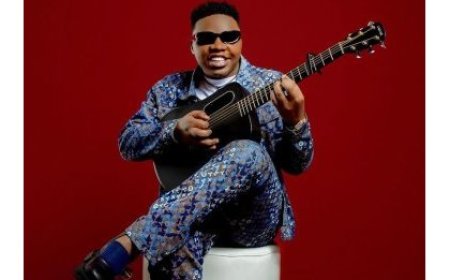
The song Bobi Wine chose, “Nzi ibyo nibwira” (translated as “I Know What I Think”), is one of Israel Mbonyi’s most beloved tracks. It appears on his debut album “Number One,” released in 2014.
Since then, Mbonyi has become one of East Africa’s most celebrated gospel artists, releasing five albums to date. His music has gained a strong following in Uganda, where he has held several successful concerts including a major performance in 2024.
In October 2025, Mbonyi launched his fifth album, “Hobe,” which continues to produce chart-topping gospel hits across the region.
Bobi Wine’s choice to sing a gospel song by a Rwandan artist has resonated deeply with his supporters, symbolizing humility, unity, and a spiritual tone in his political journey. It also highlights the growing cultural influence of Israel Mbonyi’s music beyond Rwanda’s borders serving as a bridge of inspiration across East Africa.
Tags: