

















Who Could Replace Enzo Maresca If Pressure Grows?

Who Could Replace Enzo Maresca If Pressure Grows?

Dec 14, 2025 - 17:47
 0

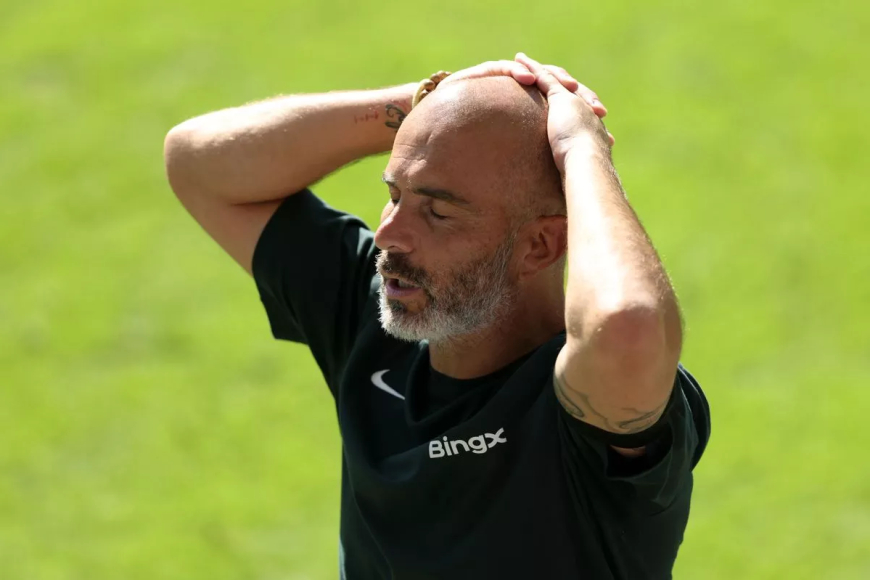
Chelsea’s victory over Everton should have been a moment of calm at Stamford Bridge. Instead, it became the backdrop for renewed uncertainty after head coach Enzo Maresca made remarks that raised eyebrows both inside and outside the club.


Despite a comfortable result on the pitch, Maresca publicly described the previous two days as the most difficult period of his Chelsea tenure so far. He also hinted at feeling isolated, suggesting that he had not received the level of backing he expected. While he avoided naming individuals or departments, such comments rarely go unnoticed at a club where patience with managers has historically been thin.

Chelsea’s ownership has repeatedly stressed long-term planning and stability, but recent history shows that emotional or political tension can accelerate decision-making. Even if Maresca’s job is not under immediate threat, conversations about alternatives inevitably follow moments like this.

So, if Chelsea were ever forced to consider a change, which could realistically, emerge as a candidate?

1.     1. Zinedine Zidane – Prestige and Proven Success

Few managers in world football carry the authority of Zinedine Zidane. His achievements at Real Madrid, particularly in European competition, place him among the most decorated coaches of the modern era.

For Chelsea, Zidane would represent a statement of intent: a move away from experimentation toward guaranteed pedigree. His calm leadership style and experience handling elite players could appeal to a squad still searching for identity. The biggest question, however, would be whether Zidane sees Chelsea as the right project at this stage of his career.

2.     2. Gareth Southgate – Leadership over Glamour

Gareth Southgate’s strengths lie less in tactical innovation and more in man-management, culture building, and long-term planning. His work with England showed an ability to unify squads under pressure and navigate intense media scrutiny.

A return to club football would be a significant shift, particularly in the Premier League, where Southgate has not managed for many years. Yet Chelsea’s young squad might benefit from a coach whose focus is structure, discipline, and emotional balance rather than constant upheaval.

3.     3. Liam Rosenior – The Modern Project Fit

Rosenior represents a different kind of option: progressive, modern, and aligned with multi-club ownership models. His steady rise through English football and continued development abroad suggest a coach comfortable with long-term projects and tactical adaptability.

With Chelsea’s ownership already familiar with his work environment, Rosenior could offer continuity rather than disruption. The risk, however, would be whether such a high-pressure role arrives too early in his managerial journey.

4.     4. Frank Lampard – Familiarity and Emotional Connection

Frank Lampard’s name will always carry weight at Stamford Bridge. His previous spells as Chelsea manager were turbulent, but they also came under difficult circumstances, including squad limitations and transitional phases.

Since then, Lampard has worked to rebuild his reputation, showing growth as a coach and leader. A third return would divide opinion, but it would also bring instant understanding of club culture, supporter expectations, and Premier League intensity.

5.     5. Brendan Rodgers – Experience and Adaptability

Brendan Rodgers offers a blend of Premier League experience and proven success. His career highlights include developing attacking teams, winning domestic trophies, and managing high expectation environments.

Rodgers’ ability to improve players individually could be attractive to a Chelsea squad rich in talent but inconsistent in output. The concern would be whether his methods align with the club’s recruitment strategy and long term vision.

6.     6. Erik ten Hag – High Risk, High Reward

Ten Hag remains a polarizing figure after mixed experiences at elite clubs. His philosophy demands discipline, structure, and total commitment, which can either elevate a team or expose internal fractures.

For Chelsea, appointing Ten Hag would be a gamble on system over sentiment. If given authority and time, his tactical clarity could bring stability. Without full backing, however, history suggests the relationship could unravel quickly.

Final Thoughts

Enzo Maresca remains Chelsea’s head coach, and one emotional post-match interview does not automatically trigger a crisis. Yet at a club defined by ambition and impatience, words matter almost as much as results.

Chelsea’s challenge is not merely choosing the “best” manager, but choosing the right one someone aligned with ownership strategy, squad profile, and supporter expectations. Whether Maresca becomes that long-term answer or not, the discussion itself reflects a club still searching for balance between vision and urgency.

ABAYO Bonheur ABAYO Bonheur is a professional sports journalist with extensive experience across multiple radio stations and digital platforms. He holds a degree in Journalism and Communication from the University of Rwanda, where he honed his skills in reporting, storytelling mainly documentaries. Throughout his career, Bonheur has gained both tangible experiences in live broadcasting and reporting, as well as the ability to maintain anonymity when covering sensitive stories. His versatility allows him to produce insightful, accurate, and engaging content across a variety of sports, earning him recognition for professionalism and reliability in the field.

Who Could Replace Enzo Maresca If Pressure Grows?

Dec 14, 2025 - 17:47
 0
Who Could Replace Enzo Maresca If Pressure Grows?

Chelsea’s victory over Everton should have been a moment of calm at Stamford Bridge. Instead, it became the backdrop for renewed uncertainty after head coach Enzo Maresca made remarks that raised eyebrows both inside and outside the club.


Despite a comfortable result on the pitch, Maresca publicly described the previous two days as the most difficult period of his Chelsea tenure so far. He also hinted at feeling isolated, suggesting that he had not received the level of backing he expected. While he avoided naming individuals or departments, such comments rarely go unnoticed at a club where patience with managers has historically been thin.

Chelsea’s ownership has repeatedly stressed long-term planning and stability, but recent history shows that emotional or political tension can accelerate decision-making. Even if Maresca’s job is not under immediate threat, conversations about alternatives inevitably follow moments like this.

So, if Chelsea were ever forced to consider a change, which could realistically, emerge as a candidate?

1.     1. Zinedine Zidane – Prestige and Proven Success

Few managers in world football carry the authority of Zinedine Zidane. His achievements at Real Madrid, particularly in European competition, place him among the most decorated coaches of the modern era.

For Chelsea, Zidane would represent a statement of intent: a move away from experimentation toward guaranteed pedigree. His calm leadership style and experience handling elite players could appeal to a squad still searching for identity. The biggest question, however, would be whether Zidane sees Chelsea as the right project at this stage of his career.

2.     2. Gareth Southgate – Leadership over Glamour

Gareth Southgate’s strengths lie less in tactical innovation and more in man-management, culture building, and long-term planning. His work with England showed an ability to unify squads under pressure and navigate intense media scrutiny.

A return to club football would be a significant shift, particularly in the Premier League, where Southgate has not managed for many years. Yet Chelsea’s young squad might benefit from a coach whose focus is structure, discipline, and emotional balance rather than constant upheaval.

3.     3. Liam Rosenior – The Modern Project Fit

Rosenior represents a different kind of option: progressive, modern, and aligned with multi-club ownership models. His steady rise through English football and continued development abroad suggest a coach comfortable with long-term projects and tactical adaptability.

With Chelsea’s ownership already familiar with his work environment, Rosenior could offer continuity rather than disruption. The risk, however, would be whether such a high-pressure role arrives too early in his managerial journey.

4.     4. Frank Lampard – Familiarity and Emotional Connection

Frank Lampard’s name will always carry weight at Stamford Bridge. His previous spells as Chelsea manager were turbulent, but they also came under difficult circumstances, including squad limitations and transitional phases.

Since then, Lampard has worked to rebuild his reputation, showing growth as a coach and leader. A third return would divide opinion, but it would also bring instant understanding of club culture, supporter expectations, and Premier League intensity.

5.     5. Brendan Rodgers – Experience and Adaptability

Brendan Rodgers offers a blend of Premier League experience and proven success. His career highlights include developing attacking teams, winning domestic trophies, and managing high expectation environments.

Rodgers’ ability to improve players individually could be attractive to a Chelsea squad rich in talent but inconsistent in output. The concern would be whether his methods align with the club’s recruitment strategy and long term vision.

6.     6. Erik ten Hag – High Risk, High Reward

Ten Hag remains a polarizing figure after mixed experiences at elite clubs. His philosophy demands discipline, structure, and total commitment, which can either elevate a team or expose internal fractures.

For Chelsea, appointing Ten Hag would be a gamble on system over sentiment. If given authority and time, his tactical clarity could bring stability. Without full backing, however, history suggests the relationship could unravel quickly.

Final Thoughts

Enzo Maresca remains Chelsea’s head coach, and one emotional post-match interview does not automatically trigger a crisis. Yet at a club defined by ambition and impatience, words matter almost as much as results.

Chelsea’s challenge is not merely choosing the “best” manager, but choosing the right one someone aligned with ownership strategy, squad profile, and supporter expectations. Whether Maresca becomes that long-term answer or not, the discussion itself reflects a club still searching for balance between vision and urgency.